Best shoes for plantar fasciitis for women: sneakers, flats, work and sandals
Buying through our links can earn us a commission at no cost to you. As an Amazon Associate we earn from qualifying purchases. How that works. This is general information, not medical advice.
Short answer
For most women with plantar fasciitis, the HOKA Clifton 11 is the best everyday sneaker: a cushioned rocker sole, an 8 mm drop, regular to extra-wide sizes, the APMA Seal, and a light build (about 8.3 oz in women's). For the office, the Vionic Uptown Loafer has a built-in arch and a removable footbed. For summer, the Vionic Tide II sandal. Whatever you wear, aim for a cushioned, slightly raised heel with arch support, not flat shoes and not high heels.
Plantar fasciitis is common in women, and women's wardrobes make it harder to manage: flats, pointed dress shoes and backless sandals are exactly what medical sources tell you to avoid. This guide covers the shoes that help in each part of the week, from a walking sneaker to something you can wear to a meeting. We research shoes from maker specs, independent reviews and medical guidance; we don't wear-test them.
Our picks
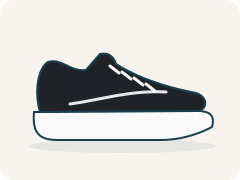
Illustration Best overall sneaker for women
HOKA Clifton 11
Less foam than the Bondi but still a rocker, and noticeably lighter. Better if the Bondi feels clunky or you want one shoe for walks and runs.
- Cushioned neutral, rocker
- 8 mm listed drop
- Regular, wide, X-wide
- APMA Seal (per HOKA)
Skip it if: you want the softest possible ride; the Ghost Max 4 has more foam.
See today's priceAmazon prices change often Check price at Amazon-
Most cushioning, with a wide option
Brooks Ghost Max 4
Brooks' thickest everyday shoe: soft DNA LOFT v3 foam, a broad base and a rocker that rolls you from heel to toe. It's built more for walking and standing than for fast running.
- Max cushion with GlideRoll rocker
- 6 mm listed drop
- About 40 mm heel / 34 mm forefoot
- Standard and wide
- Released August 2026
Skip it if: you like a close, narrow fit; it has a broad base.
See today's priceAmazon prices change often Check price at Amazon -
Best flat for work and everyday
Vionic Uptown Loafer (women's)
A soft slip-on loafer with Vionic's built-in orthotic footbed. It looks like a regular flat but has a contoured arch and a slight heel, and the footbed comes out if you'd rather use your own insole.
- Removable contoured arch footbed
- About 1-inch heel
- Medium (B) and wide (D)
- APMA Seal (per Vionic)
- Leather or suede, packable
Skip it if: you need a firm heel counter; it's built to fold flat, so the back is soft.
See today's priceAmazon prices change often Check price at Amazon 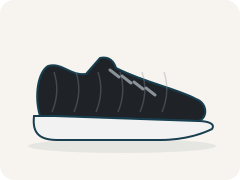
Illustration Best for bunions, swelling or sensitive feet
Orthofeet Coral Women's Sneaker
A deep, soft-sided sneaker built for feet that can't tolerate pressure points. The extra depth leaves room for thicker or prescribed inserts.
- Extra depth
- Removable 1/4" orthotic insole
- Stretch knit upper
- Widths up to 4E (select)
- Seam-free interior
Skip it if: you want a light, sporty shoe; it's built for comfort over speed.
See today's priceAmazon prices change often Check price at Amazon-
Best clog for standing jobs
Dansko Professional Clog
The classic nursing clog. The sole barely bends; instead its rocker shape rolls you forward, and the contoured footbed supports the arch. Dansko says the heel should move up and down freely as you walk, which takes some getting used to.
- Stiff rocker-bottom outsole
- About 2-inch heel
- Contoured footbed, roomy toe box
- Open back; EU sizing
- APMA accepted (per Dansko)
Skip it if: you're prone to ankle sprains; the open back and 2-inch heel are less stable.
See today's priceAmazon prices change often Check price at Amazon 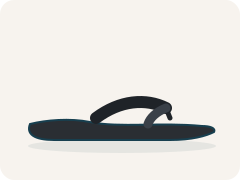
Illustration Best sandal
Vionic Tide II Toe-Post Sandal
Looks like a flip-flop but has a podiatrist-designed footbed with arch support and a deep heel cup, which ordinary flip-flops lack.
- Orthotic footbed
- Deep heel cup
- Men's and women's
- APMA Seal of Acceptance
Skip it if: you dislike a toe post; see our sandal guide for slides.
See today's priceAmazon prices change often Check price at Amazon
Is plantar fasciitis different in women?
The condition is the same, but some risk factors show up more often. Mayo Clinic lists age 40 to 60, extra body weight, high-impact exercise, jobs on hard floors, and flat feet or high arches. Foot and ankle surgeons also point to footwear: narrow, tight or high-heeled shoes change how load lands on the heel. And the fat pad under the heel thins with age, so the same pair of flats can feel fine at 30 and painful at 55.
For a full overview of symptoms and treatment, see our plantar fasciitis guide; for unisex picks, see best shoes for plantar fasciitis. The short version: daily calf and plantar fascia stretching has the strongest evidence. Shoes and insoles make each day easier while that works.
What a 2025 study in women found
One of the few footwear studies done only in women tested 29 women with plantar heel pain, average age 47. A shoe with a 14 mm heel-to-toe pitch and a polyurethane sole cut peak heel pressure by about 15% compared with a 4 mm, rubber-soled control shoe. The five different inserts tested in that shoe made no significant difference to impact or comfort. The authors concluded that both the shoe and the insert matter.
It's a small, short-term lab study, so don't read too much into it. But it lines up with standard advice: a cushioned shoe with a modestly raised heel loads the heel less than a flat one. That's not a case for high heels, which the NHS says to avoid.
How to choose: what matters for women's feet
Fit and width
Women's shoes are usually built on a narrower last than men's, with a slimmer heel. That suits many women, but not all. If your forefoot is wide or you have a bunion, look for wide (D) or extra-wide (2E) women's sizes; the Clifton 11 and Orthofeet Coral both offer them. If only the heel slips, a narrower women's size or a lace-lock usually fixes it better than going down a size.
Heel cushioning and drop
AAOS says shoes with thick soles and extra cushioning can reduce pain with standing and walking. Most supportive women's sneakers have a drop between 6 and 10 mm. Higher drops ease load on a tight calf; lower drops feel more natural to some people. Avoid zero-drop and flat shoes while your heel is sore.
Arch support and a firm heel
APMA's advice is to squeeze the back of the shoe: the heel counter should be firm, not collapse. The shoe should bend at the toes, not in the middle. A removable insole lets you use a supportive one, like the PowerStep Pinnacle, if the stock insole is flat.
| Shoe | Best for | Listed heel / drop | Women's widths | APMA Seal |
|---|---|---|---|---|
| HOKA Clifton 11 | Everyday walking, errands | 8 mm drop | Regular, wide, X-wide | Yes (per HOKA) |
| Brooks Ghost Max 4 | Long days, max cushion | 6 mm drop | Standard, wide | Not confirmed |
| Vionic Uptown Loafer | Office, travel | About 1-inch heel | Medium (B), wide (D) | Yes (per Vionic) |
| Orthofeet Coral | Bunions, swelling, sensitive feet | Extra depth, removable insole | B, D, 2E (plus select narrow and 4E) | Not confirmed for this model |
| Dansko Professional | Standing jobs | About 2-inch heel | EU sizes, roomy toe box | Yes (per Dansko) |
| Vionic Tide II | Summer, beach | Contoured footbed | Medium only | Yes |
Flats, loafers and work shoes
Ballet flats are the hardest habit to break. Most are a thin, flat sole with no arch and no heel counter, which is the opposite of what heel pain needs. If you need a flat look, choose one with a built-in contoured arch and a small heel, like the Uptown Loafer, or a flat with a removable footbed that will take a slim orthotic.
For jobs on your feet all day, a cushioned sneaker is usually the safest choice. Clogs are a reasonable alternative if they already suit you. Their stiff rocker soles roll you forward, but the NHS advises people with plantar fasciitis to avoid backless shoes, so try one before committing.
Dress shoes and heels
There's no heel height that's proven safe, but the advice from the NHS is clear: avoid high heels and tight, pointed shoes while you have plantar fasciitis. Practical ways to get through a wedding or a workday:
- Choose a low block heel or wedge over a stiletto; it spreads pressure and is more stable.
- Pick a closed back or a heel strap so your foot isn't gripping to keep the shoe on.
- Look for room for a slim insole or a gel heel cup.
- Wear supportive shoes to and from the event, and change at the door.
Sandals and slippers
Flat flip-flops are on every medical "avoid" list. A sandal with a contoured footbed, a deep heel cup and a back strap or toe post is a better choice. The Vionic Tide II is our pick; our sandals for plantar fasciitis guide covers slides and cork footbeds. At home, don't go barefoot: a supportive slipper by the bed helps with those painful first steps.
Mistakes to avoid
- Buying the softest shoe in the store. Soft foam feels good for ten minutes. Without a firm heel counter and arch, it can let the foot sag and leave the heel unsupported.
- Sizing down for a sleek look. Tight shoes pinch the forefoot and change how you walk. Measure late in the day and buy for the larger foot.
- Keeping worn-out shoes. Mayo Clinic notes old shoes lose support. If your favorite sneakers lean or the midsole is creased, replace them.
- Relying on shoes alone. Shoes ease the load, but stretching and, for morning pain, a night splint have stronger evidence.
- pain hasn't improved after about 2 weeks of self-care, or keeps getting worse
- you have tingling, numbness or burning in the foot
- you have diabetes and any heel or foot pain
- the heel is swollen, red and hot, or you can't put weight on it
Common questions
What shoes do podiatrists recommend for women with plantar fasciitis?
Podiatry and orthopedic sources describe the same features rather than one brand: thick heel cushioning, a firm heel counter, arch support and a sole that bends at the toes, not in the middle. Many cushioned sneakers that hold the APMA Seal, such as the HOKA Clifton 11, fit that description.
Can women with plantar fasciitis wear heels?
The NHS advises avoiding high heels while you have plantar fasciitis. For occasional events, a low block heel or wedge with a closed back and room for a slim insole is the least-bad option. Wear supportive shoes before and after.
Are flats bad for plantar fasciitis?
Most ballet flats are, because they have no arch support, no heel cushioning and a soft heel. A flat or loafer with a built-in contoured arch and a small heel, like the Vionic Uptown Loafer, is a better choice.
Are Skechers good for plantar fasciitis for women?
Some styles with built-in arch support can be comfortable, but plain memory-foam insoles feel soft without much support. Check for a firm heel counter and a contoured arch, or add a supportive insole.
Should I size up in women's shoes with plantar fasciitis?
Not automatically. Size for your longer foot, measured late in the day, with a thumb's width in front of the longest toe. If you plan to use a thicker insole, try the shoe with that insole in it.
How long does plantar fasciitis last in women?
It varies. AAOS says more than 90% of people improve within 10 months of starting simple treatments like stretching, supportive shoes and rest. See a podiatrist if you're not improving.
Sources
- Franettovich Smith et al. Immediate effects of footwear design on in-shoe plantar pressures, impact forces and comfort in women with plantar heel pain. Journal of Foot and Ankle Research, 2025
- Mayo Clinic: Plantar fasciitis, symptoms and causes
- Mercy Medical Center: Why plantar fasciitis is more common in women (2026)
- AAOS OrthoInfo: Plantar Fasciitis and Bone Spurs
- NHS: Plantar fasciitis
- APMA: Seal of Acceptance FAQ
- HOKA: Women's Clifton 11 product page
- Running Warehouse: Brooks Ghost Max 4 (women's) specs
- Vionic: Uptown Loafer product page
- Dansko: Professional clog product page